Why Quality and Longevity Matter to Buyers
When investing in LED display solutions, buyers care about the quality and longevity of the LED panels that they are interested in. A high-quality screen delivers superior visuals, fewer breakdowns, and lower total cost of ownership. Longevity ensures that your investment continues to generate returns, whether through rental revenue, advertising income, or years of reliable service.
There is one reality that we all need to know: not all LED displays are created equal, and the ideal screen for one application may be completely unsuitable for another. The environment in which an LED display screen operates, indoor or outdoor, fixed or rental, determines the quality requirements.
This guide breaks down the key differences across application types and explains how to maximize the lifespan of your LED display panels. Hope this guide will help you target the outdoor and indoor LED display with long life span factory.
Different Environmental Requirements on Indoor & Outdoor LED Panels
The operating environment is the single biggest factor affecting LED display quality requirements. Choosing the wrong specification for your application can lead to premature failure, poor visibility, or unnecessary expense.
Indoor LED Display Screens
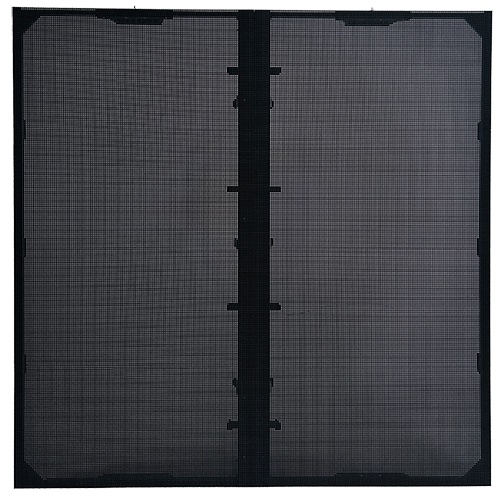
Indoor LED display screens are used in controlled environments like corporate lobbies, retail stores, broadcast studios, and event venues. These LED screens are protected from weather, dust, and extreme temperatures.
Key quality considerations for indoor screens:
IP Rating: Typically IP20 to IP40 is sufficient, because indoor screens do not require high levels of dust or water protection;
Brightness: 600 to 1,500 nits is adequate;
Pixel Pitch: Smaller pitches (1.2mm–2.6mm) for close-up viewing
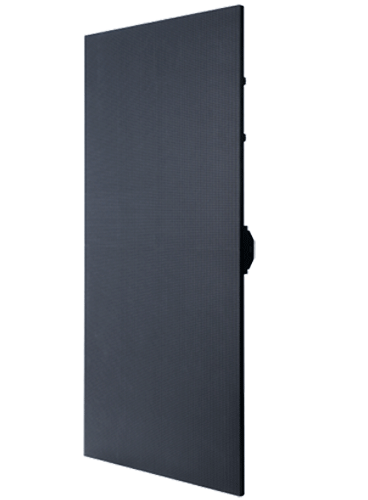
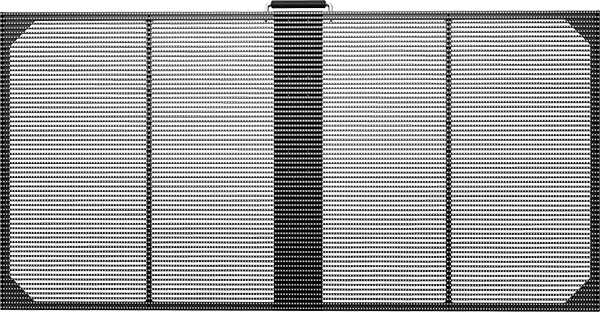
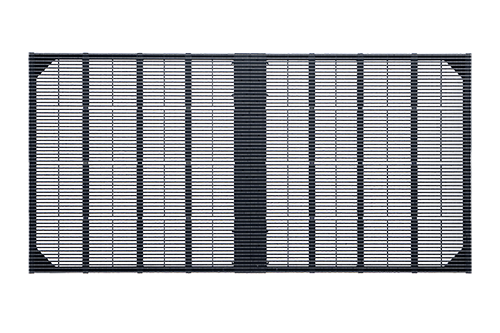
Outdoor stage LED displays are used for concerts, festivals, and live events. These screens face more demanding conditions, and they are also frequently assembled, disassembled, and transported.
Main quality considerations for outdoor rental displays:
IP Rating: Minimum IP54 to protect against dust and rain, IP 65 and IP 68 are better.
Brightness: 4,000 to 6,000+ nits for visibility in direct sunlight
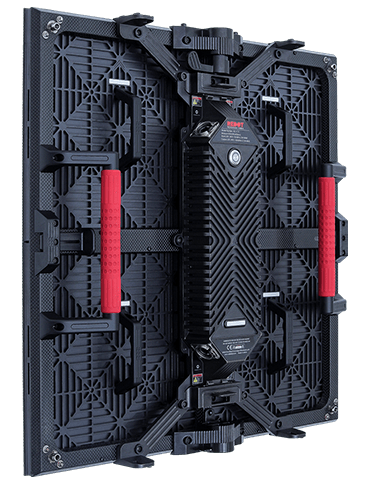
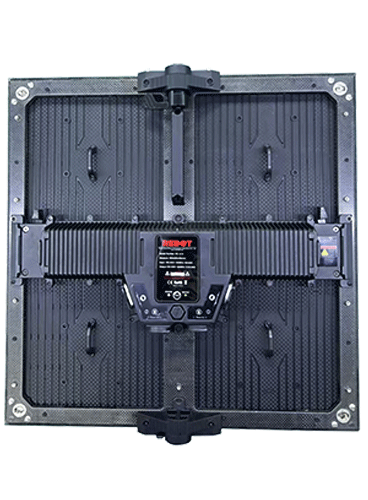
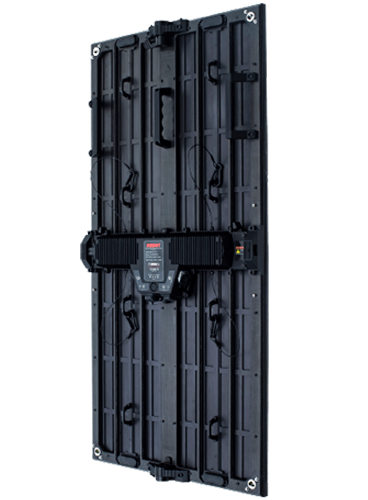
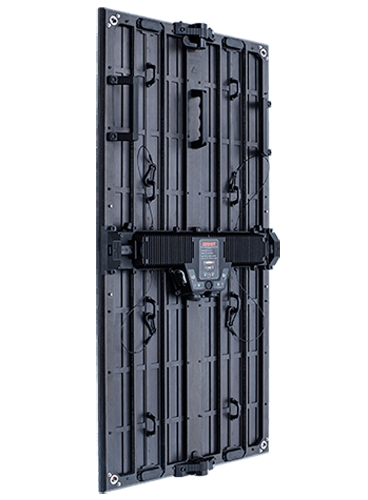
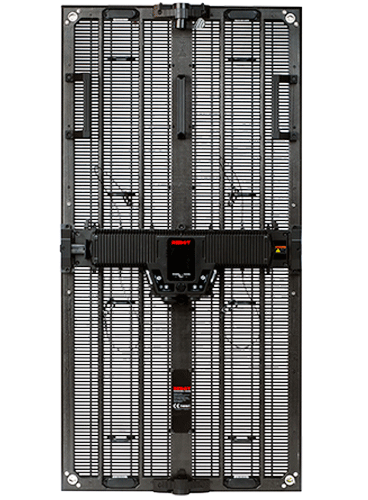
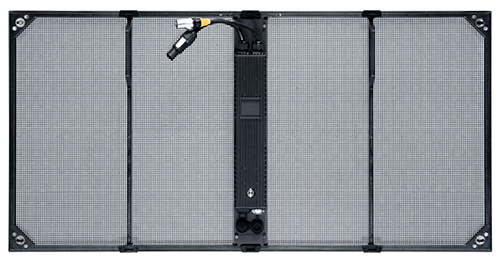
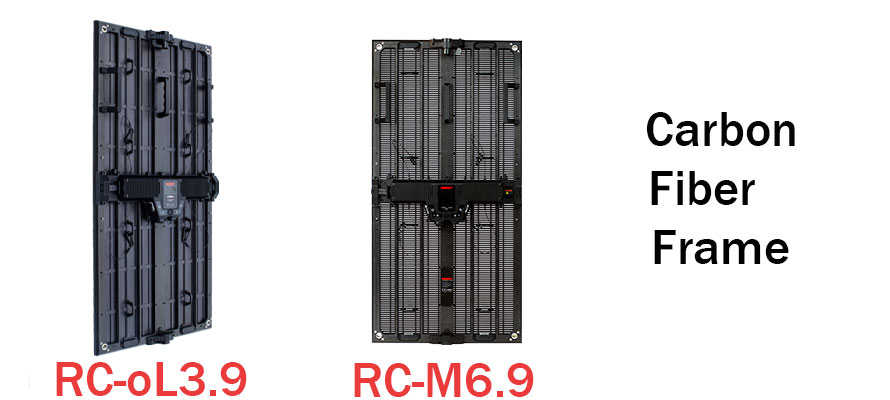
Durability: Cabinets must withstand repeated assembly and transport. At this point, lightweight carbon fiber LED displays are ideal.
Common cathode technology: Reduces heat generation and improves energy efficiency
Outdoor Fixed Advertising Screens
Outdoor fixed LED screens are installed permanently on building facades, billboards, or even coastal locations. These screens must endure years of exposure to sun, rain, wind, and salt spray.
Important quality considerations for outdoor LED screens:
IP Rating: Minimum IP65 or IP68, total dust protection and protection against low-pressure water jets
Brightness: 5,000 to 8,000+ nits for sunlight visibility
Corrosion resistance: Salt-spray certified for coastal installations
Thermal management: Advanced cooling systems for extreme temperature ranges (-20℃ to +50℃)
High-quality components: Superior-grade LEDs, robust power supplies, and reliable control systems
A Longevity Comparison of Indoor Fixed and Indoor Rental LED Screens
Even within indoor environments, the usage pattern dramatically affects lifespan:
Indoor Fixed LED Displays
Indoor fixed LED displays are permanently installed in lobbies, boardrooms, retail spaces, and control rooms. They are installed once and rarely moved.
Why they last longer:
1. No transport or handling stress;
2. Minimal physical contact and risk of damage;
3. Consistent environmental conditions (temperature, humidity controlled);
4. Professional calibration and maintenance schedule.
Indoor Rental LED Displays
Indoor rental LED display screens are used for events, trade shows, and temporary installations. They are assembled, used, and dismantled repeatedly.
The lifespans of indoor rental LED display screens are relatively shorter mainly due to:
1. Frequent handling increases risk of physical damage;
2. Transport vibrations can loosen components;
3. Repeated assembly/disassembly causes wear on connectors and locks;
4. Exposure to different venues and environmental conditions.
Tip for rental businesses: Invest in high-quality LED display panels with robust connectors, durable cabinets (carbon fiber LED panel is an excellent choice), and ample spare parts. The upfront cost is higher, but the longer lifespan and reduced downtime justify the investment.
The Aging Process is necessary for Ensuring Quality
One of the most critical in LED display manufacturing is the aging process. This process is essential for ensuring product reliability, quality, and longevity.
The aging process involves running newly manufactured LED display panels continuously under controlled conditions, at full brightness and with test patterns for an extended period before they are packaged and shipped.
Why Aging Matters:
1. Detects Early Failures
Most component failures occur within the first 48–72 hours of operation. By running screens through the aging process, manufacturers can identify and replace defective components before the product reaches the customer.
2. Stabilizes Performance
LED brightness and color can shift slightly during initial operation. Aging allows these characteristics to stabilize, ensuring consistent performance from day one.
3. Validates Thermal Management
Aging tests cooling systems under real-world load conditions, confirming that screens can sustain continuous operation without overheating.
4. Ensures Color Uniformity
Aging reveals any color or brightness inconsistencies between cabinets, allowing for calibration adjustments before shipment.
Redot’s Aging Process
At Redot Visual, every LED display undergoes a rigorous 48 to 72 hours aging process before leaving the factory. We aim to provide high-quality, durable and reliable LED displays to our clients worldwide.
This commitment to quality makes Redot Visual Effect trusted by rental companies, event producers, and system integrators.
Proper Use and Maintenance for Extending Longevity of LED displays
Even the highest-quality LED display will underperform or fail prematurely without proper care. Here are essential tips to maximize the lifespan of your LED display panels:
Regular Cleaning
Indoor screens: Dust with lint-free microfiber cloths monthly
Outdoor screens: Clean with soft brushes and approved non-abrasive solutions
Never spray liquid directly onto the surface, always apply to the cloth
FYI: Dirty screens overheat faster and lose brightness
Environmental Protection
Outdoor screens: Ensure weatherproofing seals remain intact. Check IP-rated connectors and gaskets regularly.
Coastal locations: Use corrosion-resistant cabinets and perform salt-spray maintenance.
Power Management
Use stable, clean power supplies with surge protection
Avoid frequent on/off cycling, power cycles are stressful on components
Use proper power balancing for large installations
Calibration
Perform periodic calibration (every 6–12 months)
Recalibrate after any major component replacement
Software and Firmware
Keep control software and firmware updated
Use manufacturer-recommended settings for brightness and refresh rates
Choose Wisely, Maintain Regularly
Whether you are purchasing indoor LED display screens, outdoor stage LED displays, or fixed LED displays for permanent installation, understanding the quality requirements for your specific application is essential.
And remember: aging ensures quality, and proper maintenance prolongs life.
Are you looking for premium LED displays built to last? Please feel free to contact Redot. Our products undergo rigorous 48–72 hour aging processes and are engineered for maximum quality and longevity. We try our best to provide robust and durable LED displays to our clients.
 2026-08-18