 2026-10-12
To understand the difference between SMD LED display and COB LED display, we first need to look at LED packaging technology.
LED packaging is the process of encapsulating and protecting LED chips while enhancing their display performance. Different packaging methods affect an LED's brightness, heat dissipation, durability and visual quality. The main packaging technologies include SMD, COB, GOB and MIP, with SMD and COB being two of the most widely used and reliable options today.
Choosing the right packaging technology is a critical decision when sourcing from any LED display factory. It affects not only the visual performance of your screen but also its lifespan, maintenance requirements, and total cost of ownership. This guide breaks down the differences so you can make an informed choice for your next project.
SMD and COB are two distinct LED packaging technologies. SMD LED is more flexible and cost-effective, while COB LED offers greater durability and better protection.
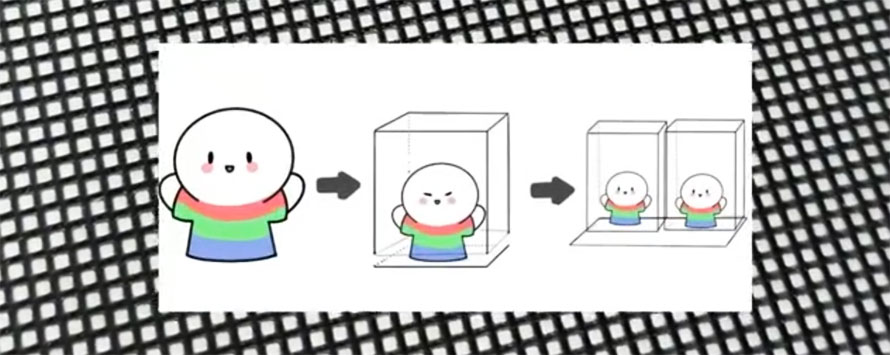
In SMD (Surface-Mount Device) packaging, red, green, and blue LED chips are encapsulated in a small plastic housing and then mounted directly onto the PCB using surface-mount technology. This enables mass production and flexible design.
1. Higher brightness;
2. Widely used for both indoor and outdoor LED screens;
3. Mature, proven technology with a well-established supply chain;
4. Cost-effective, it’s the industry standard for most LED displays;
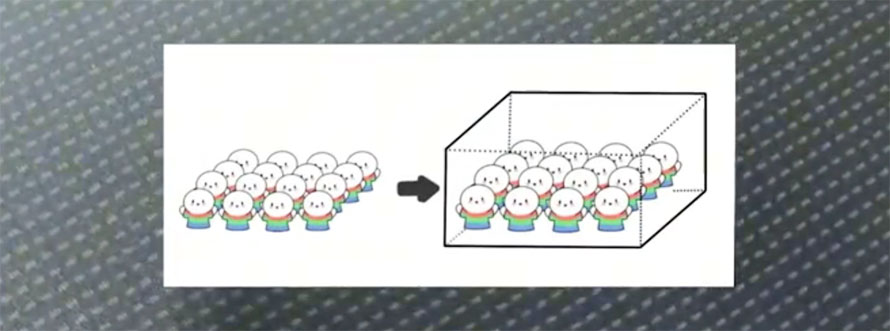
COB (Chip-on-Board) technology mounts LED chips directly onto the PCB and encapsulates them with epoxy resin or silicone. This creates a compact, seamless LED light source.
|
Feature |
SMD LED Display |
COB LED Display |
|
Packaging |
LED chips in individual plastic housings |
LED chips directly mounted and encapsulated on PCB |
|
Brightness |
Higher brightness |
Moderate to high brightness |
|
Viewing Angle |
Wide viewing angle |
Wider viewing angle |
| Heat Dissipation |
Good (via PCB and housing) |
Excellent (direct chip-to-PCB contact) |
| Durability & Protection |
Moderate – exposed lamps can be damaged |
High – fully encapsulated, impact and moisture resistant |
| Repair & Maintenance |
Easy – single-lamp repair possible |
Difficult – cannot repair individual lamps |
|
Pixel Pitch |
Available in a wide range |
Best for fine-pitch (small pixel pitch) |
| Cost |
Lower cost |
Higher cost |
| BestFor |
Indoor and outdoor, rental, general use |
Fine-pitch indoor, high-end applications |
|
Maturity |
Mature, industry standard |
Emerging, rapidly improving |
One of the most practical differences between SMD and COB is repairability:
SMD LED displays allow individual lamps to be replaced. If a single pixel fails, a technician can replace it without replacing the entire module.
COB LED displays cannot be repaired at the single-lamp level. If a pixel fails, the entire module typically needs to be replaced.
This makes SMD more attractive for rental companies and event producers who need fast, cost-effective stage LED display rental solutions.
SMD LED displays are used across a broad range of applications:
1. Indoor and outdoor stages: concerts, festivals, corporate events
2. Rental and touring productions: easy maintenance and repair
3. Advertising and digital signage: high brightness for outdoor visibility
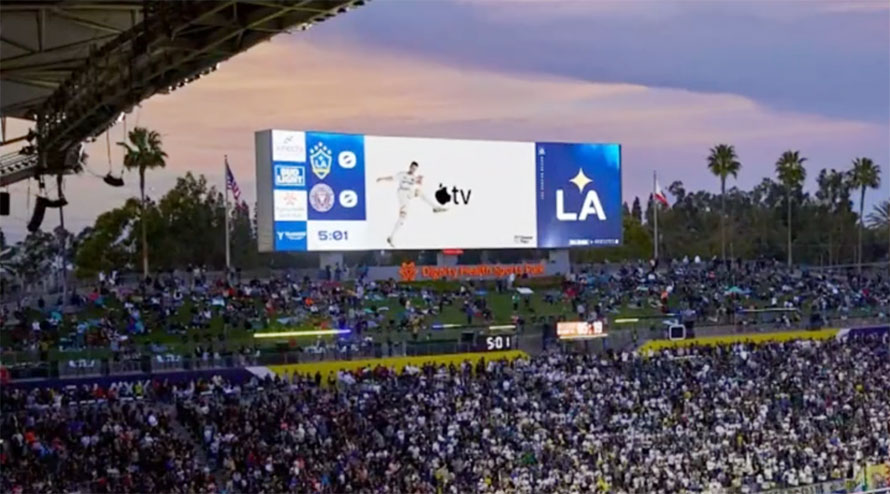
4. Sports venues and stadiums: large-scale installations
SMD remains the most popular choice for general-purpose LED displays due to its flexibility, performance, and cost-effectiveness.
COB LED displays are typically used for:
1. Fine-pitch indoor displays: control rooms, conference centers, broadcast studios
2. High-end corporate and retail environments: where protection and uniformity matter
3. Applications requiring high durability: where impact and moisture resistance are priorities
COB is less common for large outdoor or rental applications due to its higher cost and repair limitations.
However, as the technology matures, COB is gaining traction in more segments of the market.
The choice between SMD and COB depends on your specific project requirements. Here are the key factors to consider:
SMD is generally more affordable, especially for large-scale displays. COB carries a higher price tag due to its more complex manufacturing process.
While SMD and COB dominate the market, other packaging technologies exist:
DIP (Dual In-line Package):The earliest LED packaging technology, still used in some outdoor displays. Being phased out in favor of SMD.
GOB (Glue on Board):An SMD module with a layer of glue for added protection. Combines SMD's performance with enhanced durability.
MIP (Micro LED in Package):An emerging technology for micro LED displays, offering high brightness and efficiency.
Each technology has its strengths and trade-offs. The right choice depends on your application, budget and performance requirements.
At Redot Visual, we understand that every project is unique. Whether you need SMD, COB or another packaging technology, our team can help you select the ideal solution.
As a trustworthy LED display factory, we offer:
Customized LED displays:tailored to your project's specific requirements
Expert guidance:helping you choose the right packaging technology
Carbon fiber LED displays:our signature lightweight, high-performance product line
Rental and stage solutions:engineered for fast setup, easy maintenance, and stunning visuals
If you want to learn more about LED packaging technology or need a custom solution for your next project. Please feel free to contact Redot team. We will help you find the best LED display for your needs.