 2026-10-16
For anyone investing in an LED video display, lifespan is one of the most important considerations. Whether you are a rental company, an event producer, a system integrator, or a business owner purchasing LED video panels for sale, you want to know: how long will this screen last, and what can I do to make it last even longer?
This guide covers everything you need to know:
Before answering this question, we need to understand a key concept: L50 – the half-brightness lifespan.
LED brightness gradually decreases over time. L50 refers to the time it takes for an LED’s brightness to drop to 50% of its initial level. For example, if an LED screen starts at 5,000 nits, L50 is reached when brightness falls to 2,500 nits.
When a product specification sheet lists "100,000 hours", it is usually referring to L50. This does not mean the LED display panel will stop working after 100,000 hours. It means the brightness will be roughly half of what it was when new. The screen will still display images, just not at its original brightness. Whether you continue using it or replace it depends on your project requirements.
High-end LED displays typically have a lifespan of 100,000 hours or more approximately 11.5 years of continuous operation.
However, even the best high resolution LED panel can degrade faster than expected if it is not properly maintained or operated. So what factors affect lifespan of LED display panels?
Key takeaway: Proper thermal management is essential, especially for outdoor screens and high-brightness applications.
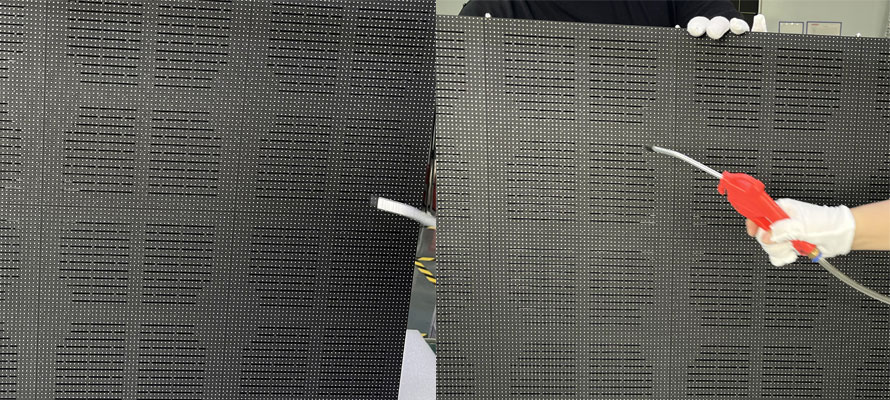
Dust is a silent killer of LED screen panels. In dusty environments:
Key takeaway: Regular cleaning is necessary to reduce failure risk. Always disconnect power before cleaning internal components.
Moisture is another major threat to longevity. Humid air can penetrate encapsulation materials and enter IC devices, causing:
Key takeaway: Choose the right IP rated LED displays for your application. Indoor screens need at least IP40; outdoor screens require IP65 or higher.
Electronic equipment is constantly exposed to environmental shock and vibration during normal use and transport. When mechanical stress exceeds the allowable working stress of components, physical damage can occur.
Key takeaway: For rental and touring applications, invest in robust cabinets and proper flight cases. Carbon fiber frames offer excellent vibration resistance.
Whether it is an integrated chip, an LED chip, or a switching power supply, operating under rated load is critical for lifespan. Every component has a fatigue damage period. For example, a branded power supply can output 105–135% of its rated power, but running it continuously at such high loads accelerates aging, even if it does not fail immediately, its lifespan will be significantly reduced.
Key takeaway: Operate your LED video display within its rated specifications. Avoid pushing power supplies to their limits.
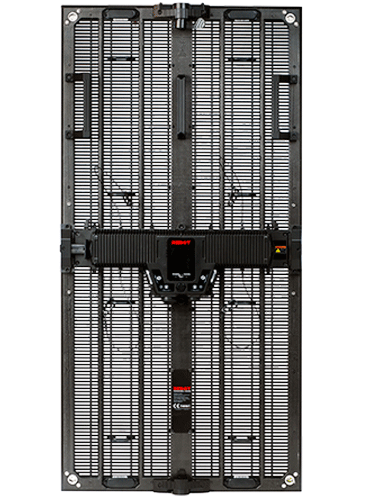
Dust and dirt on the panel surface and ventilation openings block heat dissipation and raise internal temperatures. Clean the panel surface regularly with a soft cloth or specialized cleaner. For transparent or mesh displays, use a soft vacuum duster as described in our previous cleaning guide.
Avoid setting brightness too high. Use automatic brightness adjustment features such as day/night scheduling and ambient light sensors to reduce unnecessary wear and extend LED life.
Turn off the display when not in use. Use timer functions to schedule automatic on/off cycles. This reduces unnecessary operating hours and protects components.
Have a qualified technician inspect power supplies, controllers, wiring connections, and color consistency across the LED screen panels. Early detection prevents major failures and unexpected downtime.
If individual LEDs stop emitting light (dead pixels), they increase the load on surrounding components, raising the risk of cascading failures. Replace faulty modules promptly to extend overall lifespan.
Keep controllers and CMS firmware up to date. This improves operational stability and is also an important security measure.
A well-maintained LED video display can deliver over a decade of reliable service. By understanding L50, controlling temperature, dust, moisture, vibration, and load, and following a consistent maintenance routine, you can significantly extend the life of your high resolution LED panel maximizing your return on investment.
Whether you are purchasing LED video panels for sale for a permanent installation or managing a rental fleet, proper care is the key to long-term performance.