Why the Frame Material of Your LED Screen Displays Matters
When choosing LED screen displays for your project, most buyers focus on pixel pitch, brightness, and resolution. But there is another critical factor that is sometimes overlooked: the frame material.
The frame of an LED screen display panel directly influences:
1.Total weight, affecting transport, rigging, and installation costs;
2.Heat dissipation, impacting performance and lifespan;
3.Weather resistance, determining suitability for outdoor use;
4.Installation difficulty, influencing labor time and safety;
5.Maintenance costs, affecting long-term total cost of ownership.
Selecting the suitable-frame-material LED video wall screen ensures you get the best performance and longevity for your investment. In this guide, we compare the five most common frame materials used in LED video display screens today.
The 5 Frame Materials for LED Screen Displays
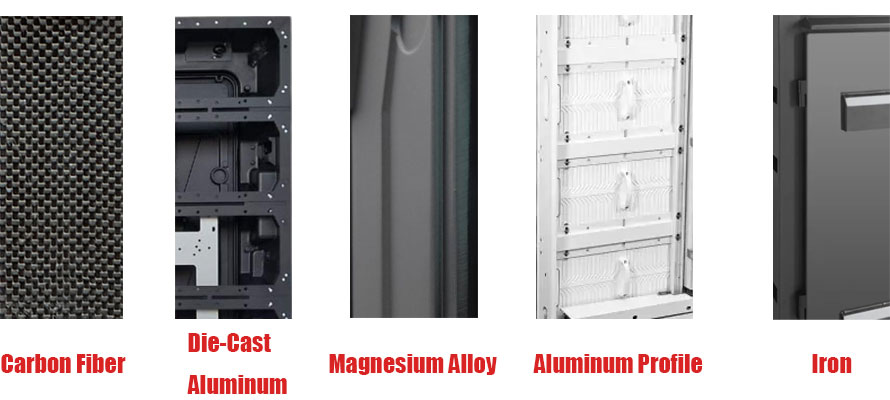
LED cabinets are typically manufactured from one of five materials. Ranked by tensile strength from highest to lowest, they are: carbon fiber, die-cast aluminum, magnesium alloy, aluminum profile, and iron.
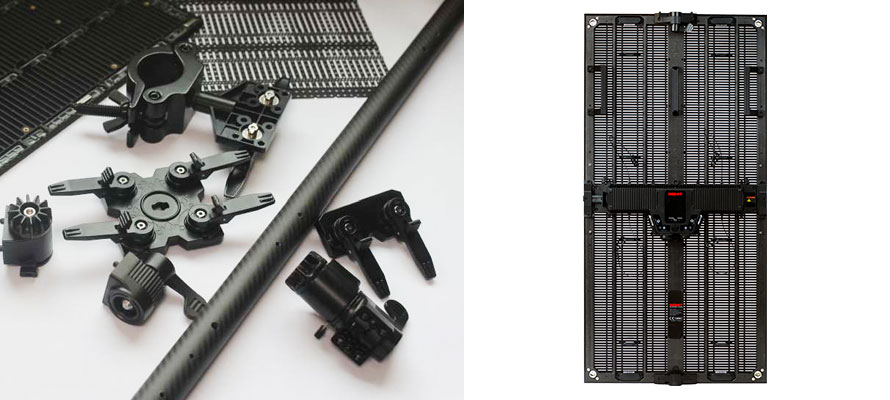
Carbon fiber is currently the most advanced frame material available. It is produced through a high-temperature oxidation and carbonization process. The carbon fibers are extremely thin and aligned in a one direction, giving carbon fiber exceptional strength along that axis. It is widely used in aircraft, Formula 1 race cars, and professional sports equipment.
In the LED screen displays industry, carbon fiber cabinets are remarkably light thanks to their density of just 1.8 g/cm³. Their tensile strength reaches up to 3,530 MPa (with some grades reaching even higher), thermal conductivity is 155 W/mK, and they can withstand temperatures up to 2,500°C.
For large stadium screens or massive outdoor LED video wall screens, carbon fiber LED video display screens are an excellent choice: structural loads are lower, installation is faster, and dismantling is more convenient.
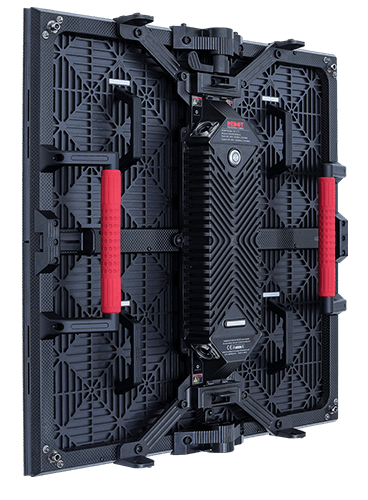
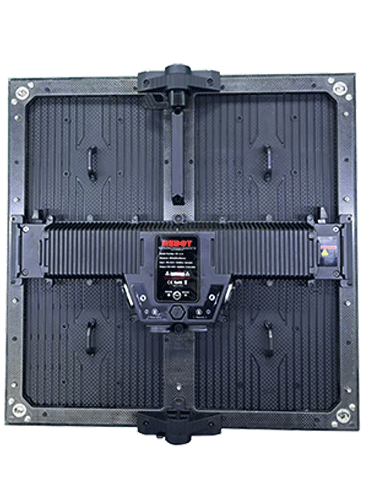
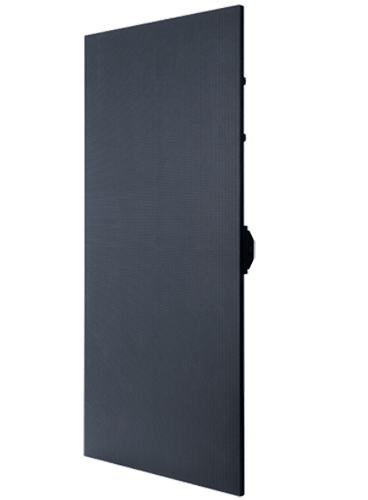
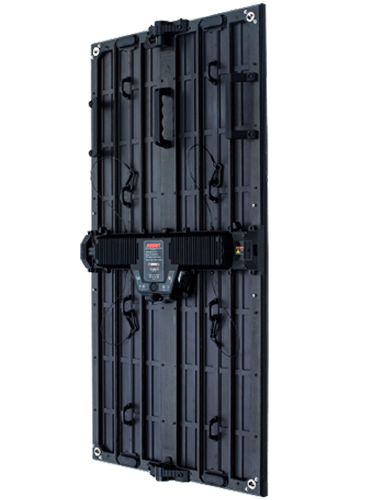
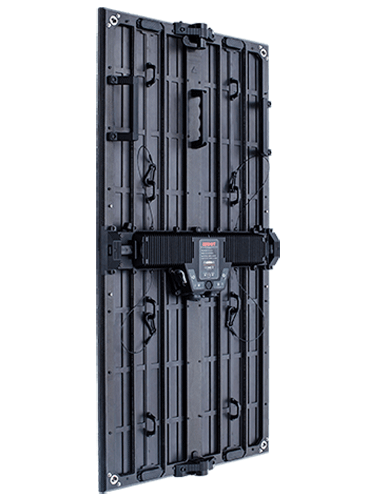
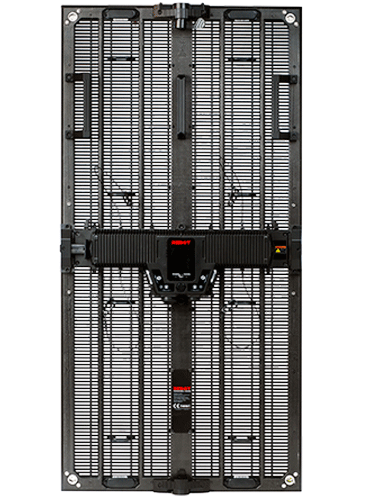
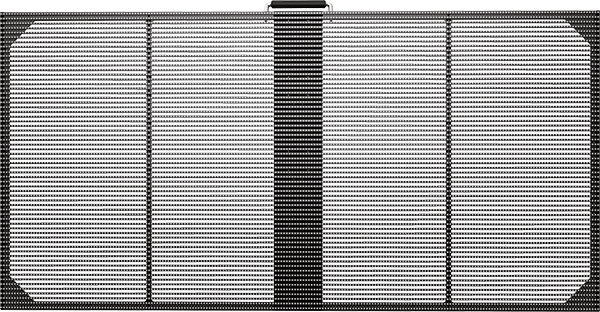
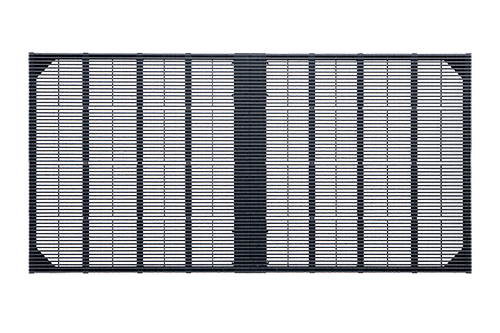
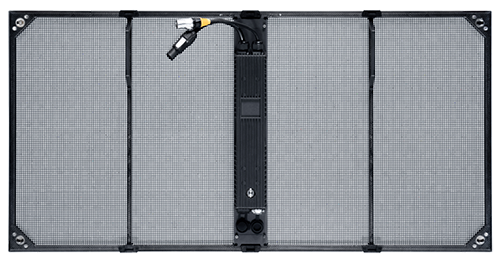
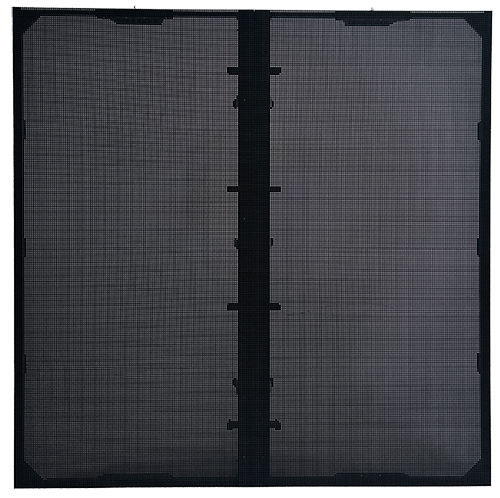
Carbon fiber frame LED display is the brand highlights of Redot. Our entire lineup of LED video screensuses carbon fiber frames, achieving ultra-lightweight construction while maintaining extremely high tensile strength.
2. Die-Cast Aluminum LED Cabinet
Die-cast aluminum frames are made by mixing high-purity aluminum (around 92%) with zinc and other metals, melting the mixture, and injecting it into a mold under high pressure in a single forming process. The surface is then polished and finished.
Most LED screen displays today use die-cast aluminum cabinets. They can withstand temperatures from -20°C to 60°C, and their heat dissipation performance is 96–113 W/mK – highly efficient for thermal management.
3. Magnesium Alloy LED Screen – Lighter Than Aluminum
Magnesium alloy is lighter than aluminum and it outperforms aluminum in many aspects. Pure magnesium is too chemically reactive to be used alone, so it is mixed with zinc, aluminum, manganese, and small amounts of other metals to stabilize its properties.
The resulting material has a density of only 1.81 g/cm³, significantly lower than die-cast aluminum's 2.74 g/cm³. This means magnesium alloy is lighter than die-cast aluminum for the same volume. Additionally, its thermal conductivity is 154.5 W/m·K, giving it better heat dissipation than aluminum.
4. Aluminum Profile LEDVideo Screen
Aluminum profile LED display frames use the same aluminum base material as die-cast aluminum, but the manufacturing process differs. Die-cast aluminum frames are molded, while aluminum profile frames are extruded. The extrusion process forces aluminum through a shaped opening under pressure, producing long, uniform components that are then cut and assembled into frames.
Aluminum profile LED displays are relatively inexpensive, making them a popular choice for many customers.
5. Iron LED Display
Iron was the earliest material widely used for LED panel cabinets. It comes in two types: sealed and non-sealed. Sealed iron LED cabinets are completely enclosed on all four sides, providing better protection against dust and moisture. Non-sealed iron cabinets have a simpler, more open structure – lighter and cheaper, but with poorer protection.
Compared to higher-performance materials like carbon fiber, iron LED displays are not only heavy but also prone to oxidation and rust. This increases maintenance costs and shortens the lifespan of the LED screen display panel. As a result, iron can no longer meet the demands of modern users, and it is now rarely seen in the market.
Performance Comparison Table: 5 LED Display Frame Materials
Material
|
Density (g/cm³)
|
Thickness (cm)
|
Tensile Strength (MPa)
|
ThermalConductivity W/(m·K)
|
Corrosion Resistance
|
Carbon Fiber
|
1.8
|
1
|
3,530
|
155
|
Excellent
|
Die-Cast Aluminum
|
2.7–2.84
|
6–8
|
265–370
|
96.2–113
|
Moderate
|
Magnesium Alloy
|
1.81
|
7.5
|
305–315
|
154.5
|
Good
|
Aluminum Profile
|
2.8
|
6–8
|
241–310
|
160–201
|
Moderate
|
|
Iron
|
7.8
|
8.5
|
170–270
|
81.1
|
Poor
|
Which Frame Material Is Right for Your LED Screen Displays?
Choosing the right frame material depends on your specific project requirements. Here are some guidelines:
For maximum portability and fast installation: Choose carbon fiber frame LED displays. Their ultra-lightweight design reduces transport costs, speeds up rigging, and improves on-site safety. Carbon fiber LED displays are ideal for touring, rental, and large-scale events.
For general indoor and outdoor use: Die-cast aluminum cabinets offer a proven balance of durability, heat dissipation, and cost.
For weight-sensitive projects on a budget: Carbon fiber and magnesium alloy provide a lighter alternative to aluminum at a moderate price point.
For cost-focused permanent installations: Aluminum profile frames are an economical choice for less demanding applications.
For legacy or temporary low-budget projects: Iron cabinets may still be found, but their weight, corrosion risk, and maintenance requirements make them a poor choice for modern LED screen displays.
At Redot, we specialize in carbon fiber frame LED displays – the lightest, strongest, and most durable option available. Our LED video wall screens are engineered for easy installation, exceptional visual performance, and long-term reliability. By the way, don’t worry about after-sale service, Redot can dispatch after-sale engineers to your companies for maintenance.
 2026-10-09