 2026-07-30
Carbon fiber is a high-performance material that has transformed industries ranging from aerospace and automotive to sports equipment and LED display manufacturing. But Is carbon fiber strong? how strong is carbon fiber? And what makes it so special?
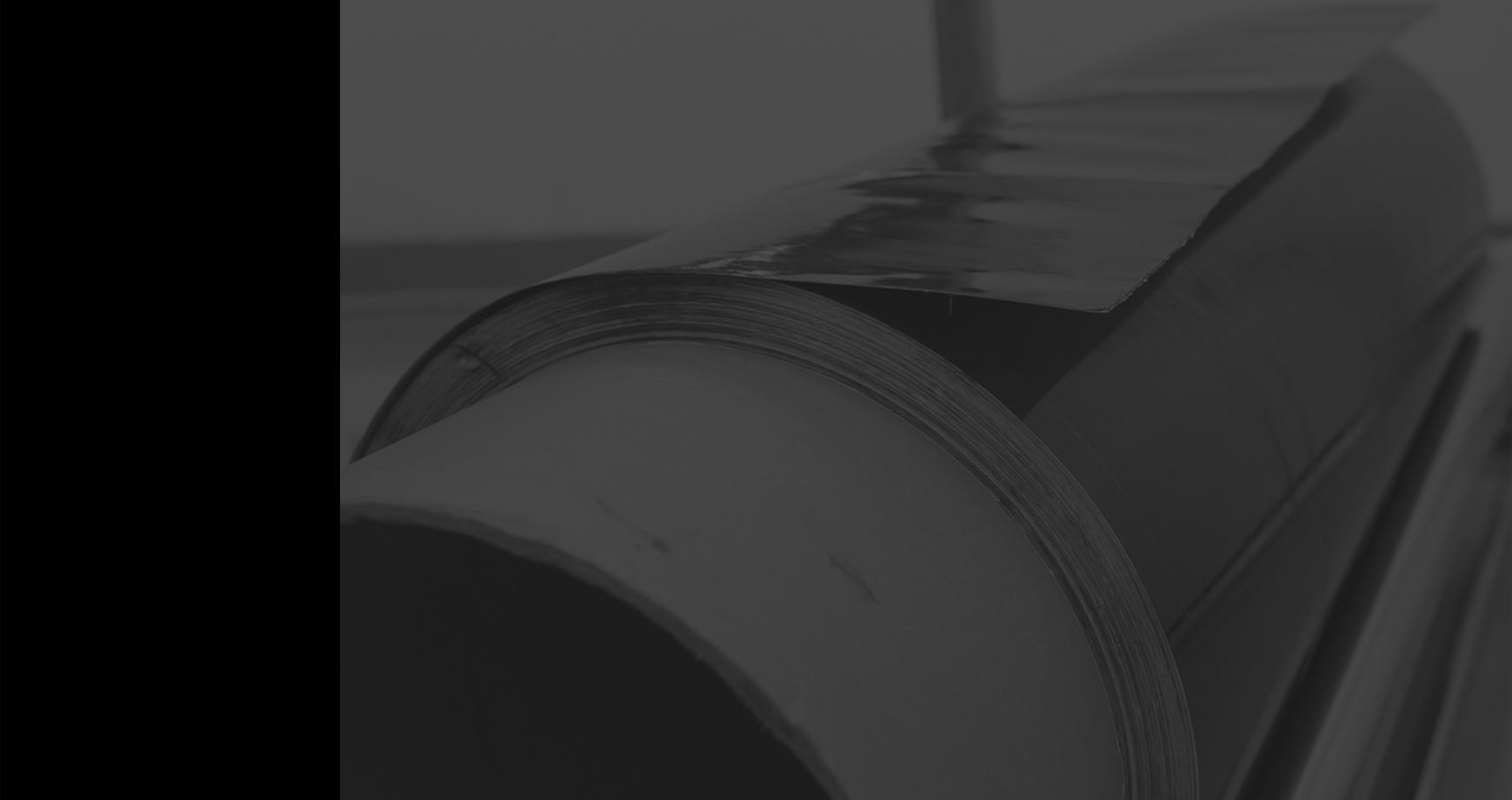
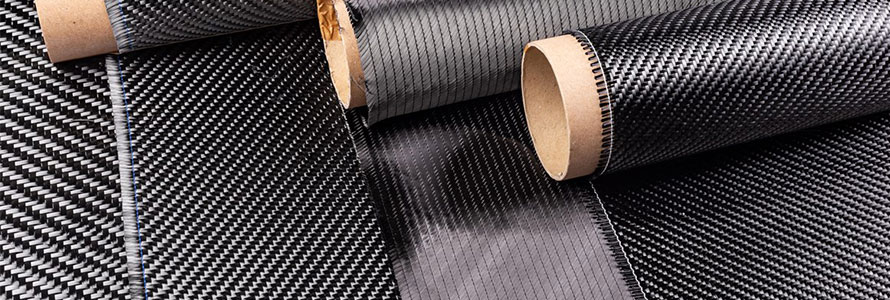
At its core, carbon fiber is a material consisting of extremely thin fibers, typically 5 to 10 micrometers in diameter, composed primarily of carbon atoms. These atoms are bonded together in a microscopic crystal structure that is parallel to the fiber’s long axis, giving the material its remarkable strength-to-weight ratio.
The term “carbon fiber” is often used interchangeably with carbon fiber composites or carbon fiber reinforced polymers (CFRP) , which combine carbon fibers with a resin matrix to create finished products. It is this composite form that delivers the extraordinary mechanical properties that engineers and designers prize.
How strong is carbon fiber? The numbers speak for themselves: high-strength carbon fibers typically exhibit tensile strengths ranging from 3,500 to 4,500 MPa, with some advanced grades reaching up to 8,000 MPa. To put that in perspective, the tensile strength of steel ranges from 400 to 1000 MPa and the tensile strength of aluminum ranges from 200 to 600 MPa at a fraction of the weight.
Understanding what carbon fiber is made of helps explain its exceptional properties. The journey from raw material to finished fiber is a sophisticated manufacturing process.
Carbon fiber production begins with a precursor material. It’s a polymer fiber that serves as the starting point. The vast majority of high-performance carbon fibers (over 90%) are produced from polyacrylonitrile (PAN), a synthetic polymer. PAN is the preferred precursor because of its regular polymer structure and high carbon yield.
Other precursor materials include:
Mesophase pitch (derived from petroleum or coal)
Rayon (regenerated cellulose)
The conversion of PAN precursor into carbon fiber involves several critical steps:
Stabilization: The precursor fibers are heated in air to around 200–300°C, which oxidizes the material and prepares it for carbonization.
Carbonization: The stabilized fibers are heated to much higher temperatures (1,000–2,000°C) in an inert atmosphere (oxygen-free). This drives off non-carbon elements and leaves behind a fiber composed almost entirely of carbon atoms.
Graphitization (optional): For ultra-high-modulus fibers, heating to 2,500–3,000°C further aligns the carbon crystal structure, increasing stiffness.
The result is a fiber that is over 90% carbon by weight, with the carbon atoms arranged in a highly oriented crystalline structure that gives the material its legendary strength.
The question "how strong is carbon fiber" only begins to capture its value. Here are the key properties that make carbon fiber composites indispensable across industries:
Is carbon fiber strong? Carbon fiber boasts tensile strengths of 3,500 to 8,000 MPa. Toray T700, one of the industry's most widely used carbon fibers, delivers a tensile strength of 4,900 MPa with a tensile modulus of 240 GPa.
For comparison:
Aluminum: 200-600 MPa yield strength
Carbon fiber composites exhibit tensile moduli ranging from 200 to 600 GPa. This stiffness-to-weight ratio—often called specific stiffness—is 10 times or more that of steel or aluminum.
Carbon fiber is remarkably light. High-strength carbon fibers have a density of approximately 1.8g/cm³, about one-fifth the density of steel and two-thirds that of aluminum.
Unlike metals, carbon fiber composites do not suffer from metal fatigue in the same way. They can withstand millions of stress cycles without significant degradation.
Carbon fiber has a very low coefficient of thermal expansion, meaning it maintains its dimensional stability across a wide temperature range, which makes it critical for precision applications.
The unique combination of strength, lightness, and durability makes carbon fiber the material of choice for the world's most demanding industries.
Carbon fiber composites are used extensively in aircraft structures from wings and fuselages to interior components. The Boeing 787 Dreamliner and Airbus A350 are more than 50% carbon fiber by weight. Beyond commercial aviation, carbon fiber is used in space shuttles, satellites, and reusable spacecraft.
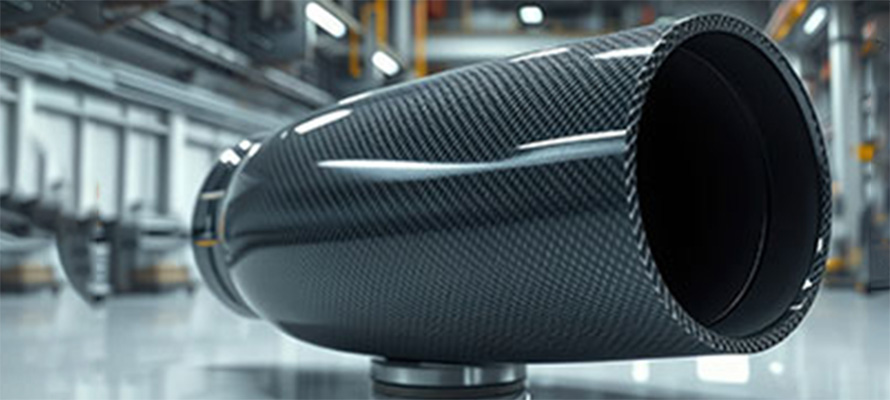
Formula 1 race cars rely heavily on carbon fiber composites. The monocoque, suspension arms, driveshafts, brake ducts, and wing elements are all manufactured from carbon fiber. Carbon-carbon composite brake disks can operate at temperatures between 400°C and 1,000°C during intense race conditions.
As emissions regulations tighten, automakers are turning to carbon fiber to reduce vehicle weight and improve fuel efficiency. Carbon fiber reinforced plastics are increasingly used in high-performance and luxury vehicles.
From elite bicycle frames to tennis rackets, golf clubs, and fishing rods, carbon fiber delivers the performance advantage that athletes and enthusiasts demand.
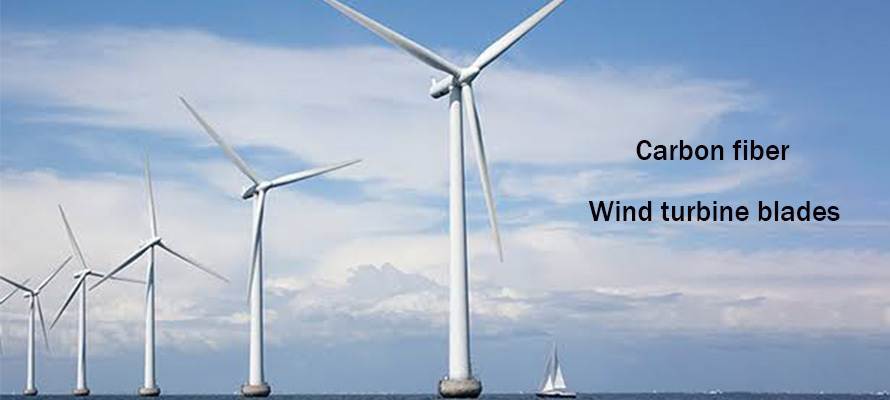
Wind turbine blades, some exceeding 100 meters in length, are manufactured using carbon fiber composites to achieve the required strength and stiffness while keeping weight manageable.
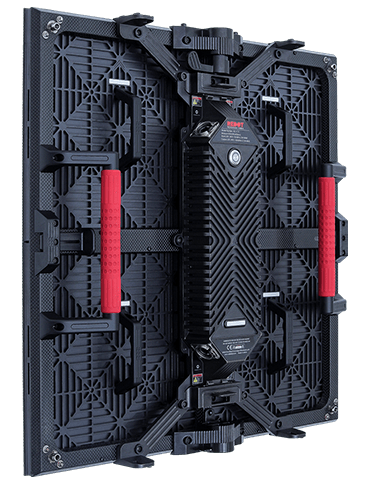
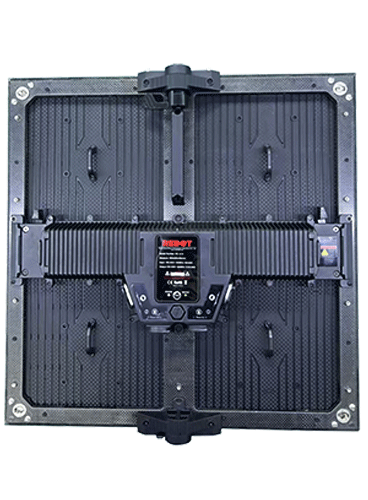
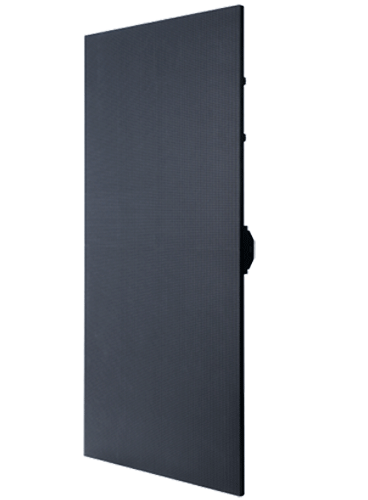
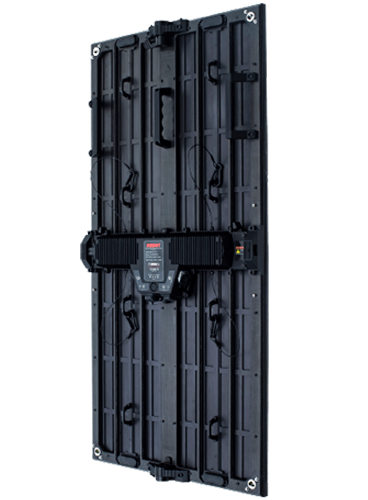
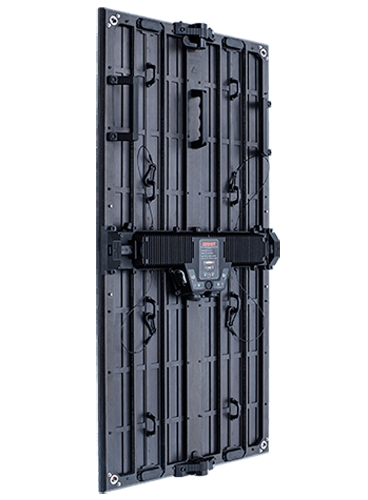
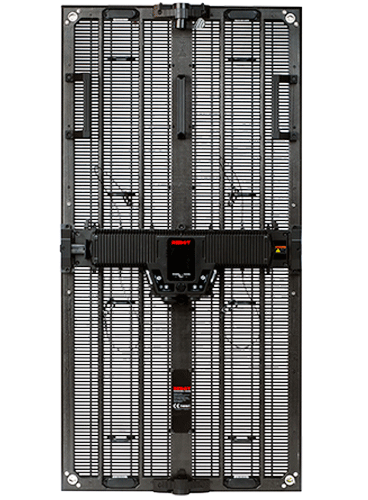
At Redot, we have applied the extraordinary properties of carbon fiber to the LED display industry. Our carbon fiber LED display solutions deliver a combination of benefits that traditional aluminum cabinets simply cannot match.
Redot’s carbon fiber LED cabinets are built to withstand the rigors of touring and rental applications. The high-tensile strength of carbon fiber ensures that panels maintain their structural integrity even under repeated assembly, disassembly, and transportation. Unlike aluminum, which can deform over time, carbon fiber retains its shape and precision.
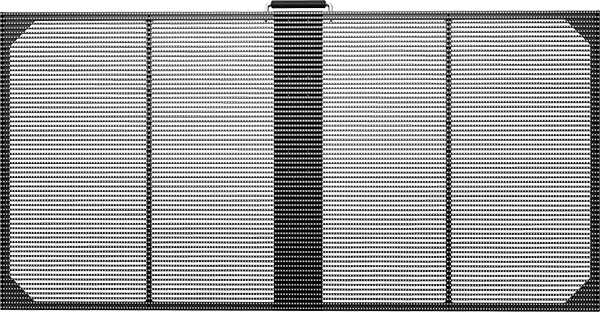
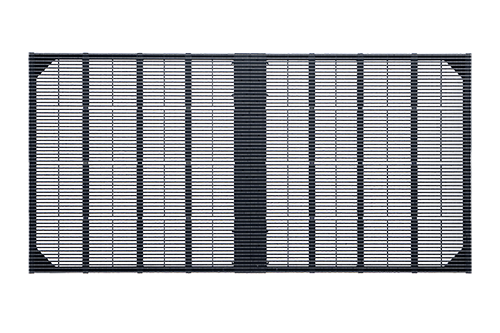
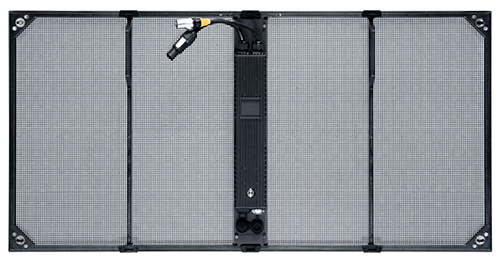
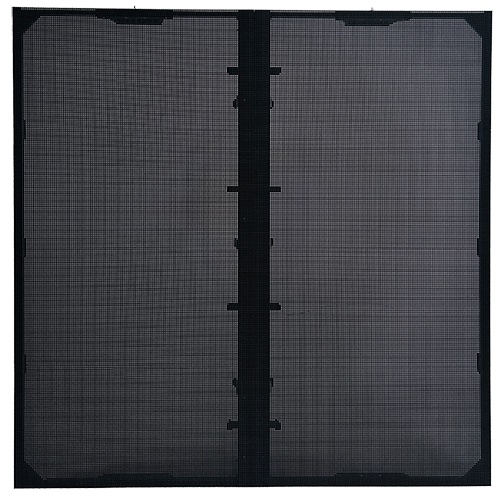
Weight reduction is the most obvious and impactful advantage of carbon fiber LED displays. Redot’s carbon fiber cabinets are significantly lighter than traditional aluminum cabinets, in some cases achieving up to 40% weight reduction. Let’s take RC-iHolo3.9XL as an example. The average weight of 1000*1000mm indoor transparent panel in the market is around 12kg, while RC-iHolo3.9XL 1000*1000mm indoor display panel only weighs 7kg.
This translates to:
Reduced transportation costs: Lower weight means lower shipping fees and fuel consumption
Easier handling: One-person can easily hold a carbon fiber LED panel for installation and disassembly.
Lower labor costs: Faster setup and teardown with fewer crew members
Reduced wear and tear: Less strain on rigging and support structures
Carbon fiber’s strength-to-weight ratio allows for thinner, more compact cabinet designs. This means more panels can be stored in the same warehouse space. We have to admit it that this is a critical advantage for rental companies with limited storage capacity.
The combination of lightweight construction and robust design means Redot's carbon fiber LED displays can be assembled and disassembled significantly faster than traditional alternatives. At events where time is money, this speed translates directly to cost savings.
While carbon fiber LED displays may represent a higher upfront investment, the long-term total cost of ownership is substantially lower:
Cost Factor
Traditional Aluminum
Redot Carbon Fiber
Transport costs
Higher (heavier)
Lower (lighter)
Labor costs
Higher (more crew, more time)
Lower (fewer crew, faster setup)
Storage space
More space required
Less space required
Panel durability
Prone to deformation
Maintains shape
Longevity
Shorter lifespan
Longer lifespan
For LED display operators and technicians, particularly in markets like Japan and South Korea, where many female technicians work in the industry. The lightweight nature of carbon fiber panels is a game-changer. Panels that once required two people to lift can now be handled easily by one person. This reduces physical strain, improves workplace safety, and makes the job more accessible to a wider range of professionals.
Japan has long been a world leader in carbon fiber materials development. Companies like Toray Industries have pioneered carbon fiber technology for decades. As a result, carbon fiber enjoys exceptionally high recognition and acceptance in the Japanese market.
Both Japan and South Korea have strict regulations regarding the weight that building structures can support. In many venues, traditional heavy LED displays simply cannot be installed without extensive structural reinforcement. Ultra-light and robust carbon fiber LED displays are often the only viable solution for these venues.
In Japan and South Korea, there is a significant and growing number of female LED display operators and technicians. The lightweight nature of carbon fiber panels makes these LED displays far more accessible and comfortable for all technicians, regardless of physical strength.
Warehouse space in major Japanese and Korean cities is at a premium. Carbon fiber displays’ compact design allows for more efficient storage.
While Japan and South Korea are particularly mature markets for carbon fiber LED displays, clients from Europe, North America, and other regions have also enthusiastically embraced this technology. Carbon fiber LED panels are already being deployed in large-scale events worldwide from major concert tours to high-profile corporate productions.
We at Redot are proud to be part of this global movement. We invite more partners to join us in experiencing the strength, lightness, and durability that carbon fiber LED displays bring to the stage.
And now, strong enough yet light enough to revolutionize the LED display industry.
Redot’s carbon fiber LED displays combine the unmatched strength-to-weight ratio of advanced carbon fiber composites with the visual excellence that modern productions demand. Whether you are a rental company looking to reduce costs, a technician seeking easier handling, or a production designer pushing creative boundaries, Redot has the solutions for you.