 2026-08-27
When choosing suitable LED displays, one of the most critical technical specifications you will encounter is the IP rating. You have probably seen labels like IP20, IP65, or IP67 on product spec sheets, but what do these numbers actually mean? Why LED Display IP Rating is an important spec?
Choose the wrong IP rating, and you risk premature failure, costly repairs, and disappointing performance. Choose the right one, and your LED displays will deliver years of reliable service, whether it is installed in a church sanctuary, on a concert stage, or at a sports stadium.
IP stands for Ingress Protection or International Protection. It is an international standard defined by IEC 60529 that classifies and rates the degree of protection provided by an electrical enclosure against:
Solid objects (dust, dirt, accidental finger contact)
Liquids (water, moisture, rain)
The IP rating is always expressed as "IP" followed by two digits: IP X Y
Important: These two digits must be read separately; they are not a two-digit number. Each digit represents a different type of protection.
|
Digit |
What It Measures |
|
First Digit (X) |
Protection against solid objects and dust (0–6) |
|
Second Digit (Y) |
Protection against liquids and water (0–9) |
A higher number does not always mean "better" for your application. It simply means more protection, and often, more protection comes with trade-offs like higher cost, reduced heat dissipation, and increased weight.
First Digit–Dust and Solid Object Protection (0–6)
The first digit tells you how well the LED display enclosure protects against dust, dirt, and physical contact.
|
Level |
Protection Level |
What It Means |
Typical Use Case |
| 0 |
No protection |
No barrier against dust or objects |
Rarely used in commercial displays |
| 1-2 | Basic touch protection |
Blocks large objects (>12.5mm) and fingers |
Clean, untouched indoor areas |
| 3-4 |
Light dust/object protection |
Blocks small tools, wires, and minor dust particles |
Indoor commercial displays |
| 5 |
Dust-protected (semi-sealed) |
Limited dust ingress allowed (does not affect operation) |
Indoor high-end displays, stage rental |
| 6 | Dust-tight (fully sealed) |
No dust can enter – complete protection |
All outdoor applications |
IP2X to IP4X: Suitable for indoor environments with minimal dust exposure. Applications: conference rooms, retail stores, school classrooms.
IP5X: The minimum recommendation for indoor stage rental and church LED displays where equipment is frequently handled and exposed to minor dust.
IP6X: The standard for all outdoor LED displays, including stadium screens, outdoor stage LED displays, and digital billboards. Dust ingress can cause shorts and overheating, so full protection is non-negotiable.
The second digit is often the deciding factor between indoor and outdoor displays. It defines how well the screen resists moisture, rain, and submersion.
|
Level |
Protection Level |
What It Means |
Typical Use Case |
| 0 |
No water protection |
Water causes damage |
Indoor only – no water exposure |
| 1-4 |
Drip and splash resistant |
Handles condensation, light splashes, vertical dripping |
Indoor with minimal moisture risk |
| 5 |
Low-pressure water jet resistant |
Withstands light rain and gentle cleaning |
Semi-outdoor, covered areas |
| 6 |
High-pressure water jet resistant |
Withstands heavy rain, power washing, strong winds |
Outdoor standard – billboards, stadiums, outdoor stages |
| 7 |
Temporary immersion protection |
Can be submerged in 1m water for up to 30 minutes |
Flood-prone areas, coastal locations |
| 8-9 | Continuous immersion protection |
Designed for permanent underwater use |
Underwater or extreme marine environments |
These ratings are designed for controlled indoor environments where dust is minimal and water exposure is non-existent.
Protection: Basic touch and light dust protection. No water resistance.
Ideal for:
Conference rooms and boardrooms;
Retail store displays;
Broadcast studios;
School classrooms and lecture halls;
Indoor stage backdrops;
Houses of worship (church LED displays)
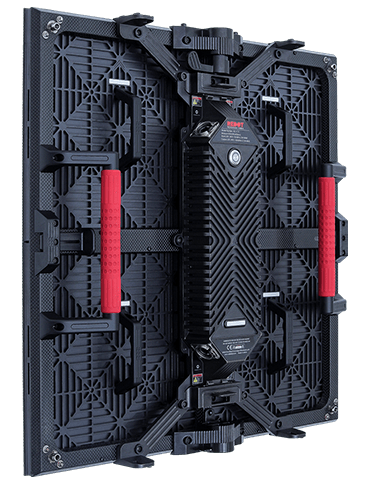
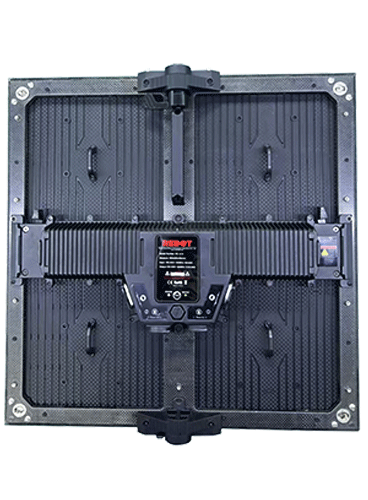
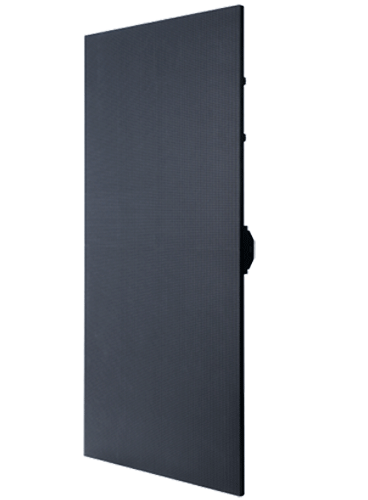
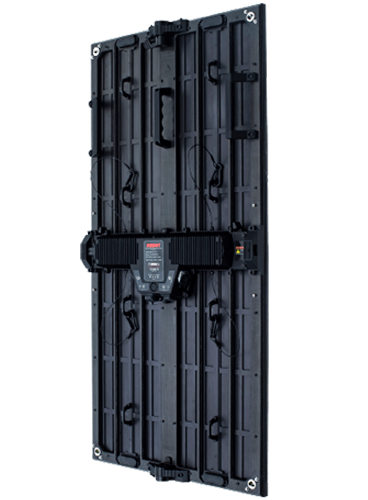
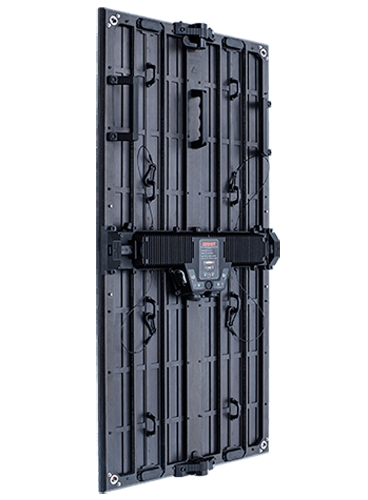
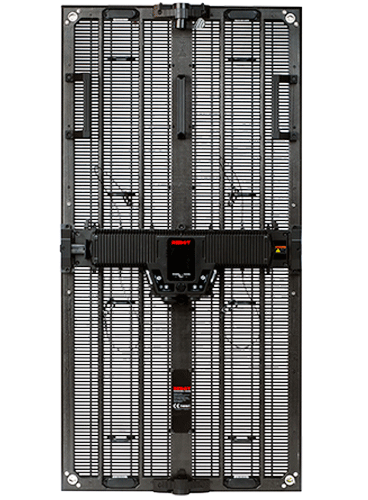
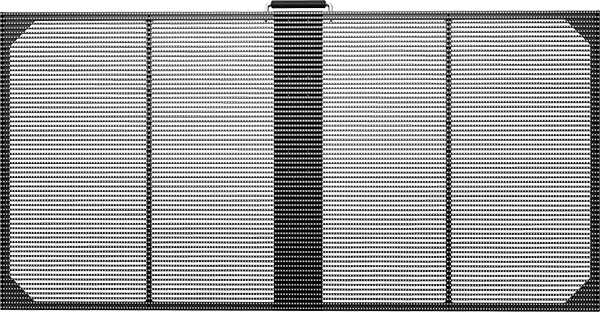
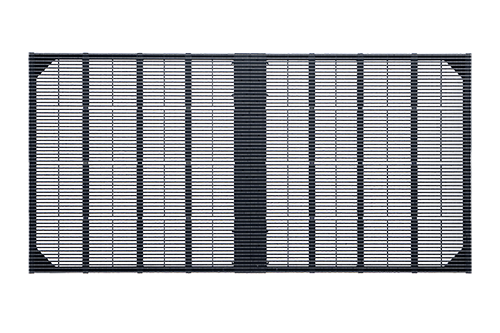
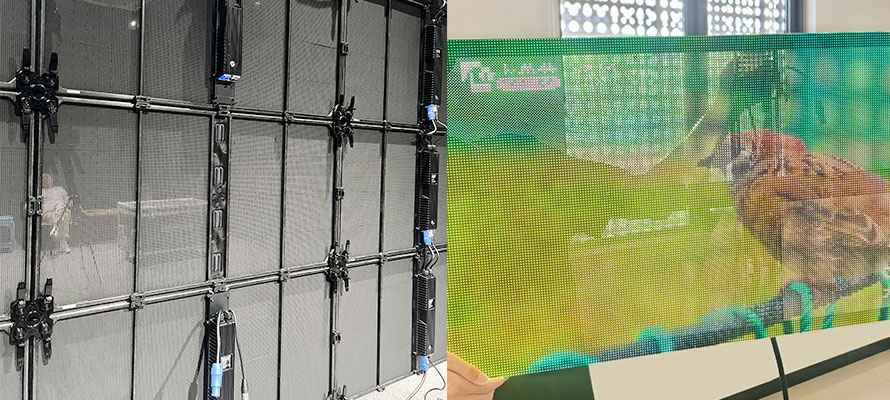
Redot’s indoor series, including the iHolo transparent series, carry an IP40 rating. They are designed for indoor rental, corporate events, and church applications where moisture is not a concern. Their lightweight carbon fiber construction and stunning visual quality make them ideal for these environments without the added cost and weight of outdoor-grade sealing.
IP65 is the most common outdoor rating for LED displays. It means:
6: Completely dust-tight (no dust ingress)
5: Resistant to low-pressure water jets from any direction
What it can handle:
Heavy rain and storms
High winds
Dust storms
Power washing (with care)
Direct sunlight and temperature extremes
Ideal for:
Outdoor advertising billboards;
LED stadium displays;
Outdoor concert and stage LED displays;
Building facades and public information screens;
Transportation hubs (airports, train stations);
Park and recreation signage
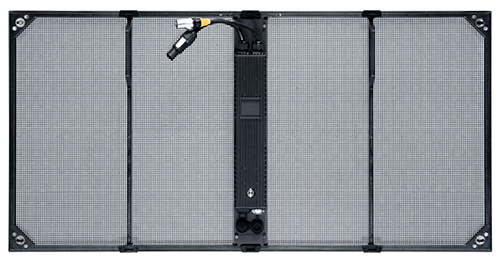
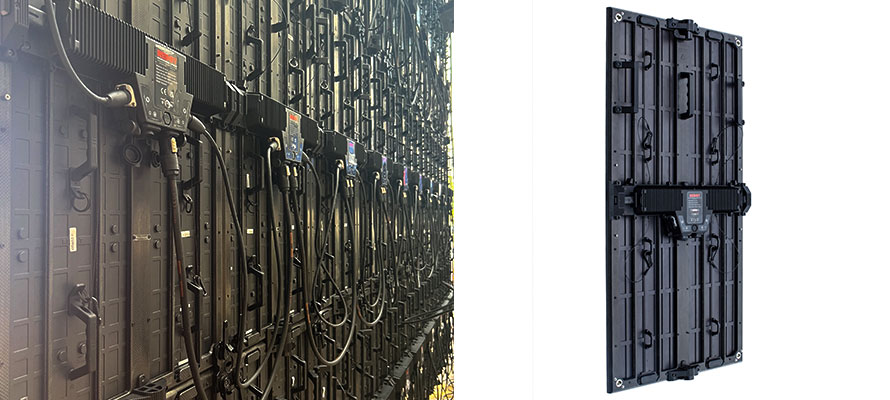
Redot’s outdoor rental LED displays RC-oL3.9 and RC-M6.9 are rated IP65. They are built to withstand the demanding conditions of outdoor festivals, sports events, world tours and other outdoor applications.
These ratings offer the highest level of protection, including full dust-tight sealing and temporary or permanent submersion protection.
|
IP Rating |
What It Protects |
Against Ideal For |
|
IP67 |
Dust-tight + immersion in 1m water for 30 minutes |
Coastal areas with salt spray, flood-prone locations, high-humidity environments |
|
IP68 |
Dust-tight + continuous immersion beyond 1m |
Underwater displays, marine applications, extreme environments |
| Application | IP Rating Recommendation | Key Considerations |
|
Corporate lobby / office |
IP30 – IP40 |
Dust-free, climate-controlled indoors |
|
Retail store / mall |
IP30 – IP40 |
Minimal dust, no water exposure |
|
Church / house of worship |
IP40 – IP54 |
Indoor; IP54 adds light splash protection near entrances |
|
Indoor event / stage rental |
IP40 – IP54 |
Frequently handled; IP54 adds dust and light splash protection |
|
Outdoor event / festival |
IP65 |
Rain, wind, dust; IP65 is the minimum |
|
Stadium / arena |
IP65 – IP66 |
High-pressure cleaning, weather exposure |
|
Outdoor billboard |
IP65 |
Years of outdoor exposure |
|
Coastal / seaside |
IP67 – IP68 |
Salt spray, humidity, potential flooding |
|
Underwater / marine |
IP68 |
Full submersion protection |
Higher protection often means:
Higher cost (unnecessary for indoor use)
Heavier, bulkier enclosures
Poorer heat dissipation, sealed enclosures trap heat, reducing lifespan
Reduced visual quality (extra layers can affect clarity)
Correct approach: Match the IP rating to your specific environment. Indoor applications do not need IP65 or IP67, IP30 to IP40 is perfectly adequate and more cost-effective.
IP65 protects against water jets and heavy rain, but it is not rated for submersion. The “5” means water jets from any direction, not immersion. If a screen is installed in a low-lying area where water pools, it will fail. For submersion risk, you need IP67 or higher.
If the second digit is 0, the screen has no water protection whatsoever. IP30 or IP40 screens are not designed for even light drizzle or condensation. A single rain shower can cause:
Short circuits
Corrosion of connectors
Permanent blackout or pixel failure
If there is any risk of rain, choose an outdoor-rated screen.
Even with IP65 protection, outdoor screens require:
Proper drainage (to prevent pooling)
Regular inspection of seals and gaskets
Cleaning without high-pressure water aimed directly at seams
Protection from physical impact (cranes, forklifts, falling debris)
IP ratings protect against environmental ingress, but they do not protect against physical damage or poor installation practices.
Understanding LED display IP ratings is not just technical trivia, but also a critical business decision.
Choose the wrong rating, and you risk premature failure, downtime, and frustrated clients. Choose the right one, and your LED display will deliver stunning visuals reliably, whether it is a church LED display in a sanctuary, a stage LED display at a festival, or an LED stadium display in a major sports venue.
At Redot Visual, we design our products with the right IP ratings for their intended applications. Whatever your application, we can help you choose the right protection level, so you get the performance you need without paying for protection you do not.