 2026-09-03
Today, more and more high schools, theaters, churches, universities and corporate spaces are equipping their venues with LED video walls to elevate visual experiences. Whether for worship services, school concerts, theatrical productions, or corporate presentations, large LED display screens have become the new standard for immersive visual communication.
The vast majority of these indoor LED video walls, roughly 90%, are installed using motors and reliable truss structures, which is widely considered the safest approach for overhead suspension. However, a concerning number of installations still rely on counterweight fly systems. To be honest, this method is not safe enough for modern LED wall rigging.
Consider this real-world example: a technician successfully used a 3.5m by 2m LED wall (approximately 400 lbs / 180 kg) for a high school concert to display images during the music. The project went smoothly, and the technician planned to expand the LED wall inventory for larger productions. That is when the critical question emerged: Is hanging an LED video wall on a counterweight fly system actually safe?
Well, we cannot simply say it is unsafe, but it is indeed dangerous.
Counterweight fly systems were originally designed for theatrical drapes, lightweight scenery, and traditional stage elements; they are not for the dense, heavy, modular loads of modern LED displays. Here is why:
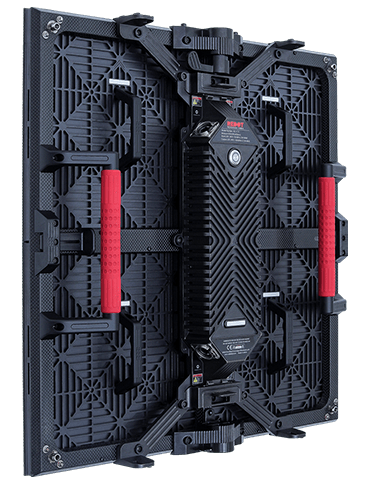
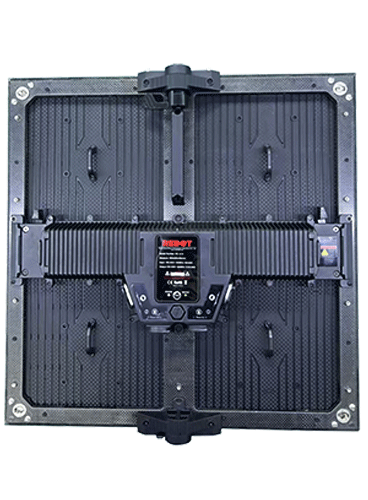
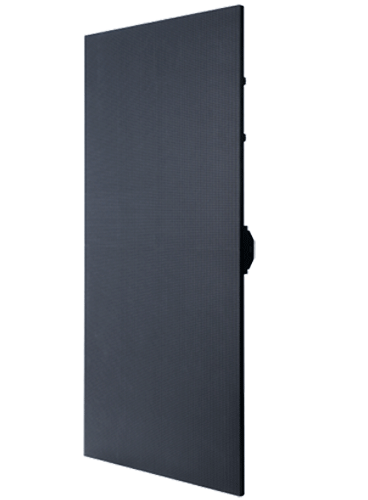
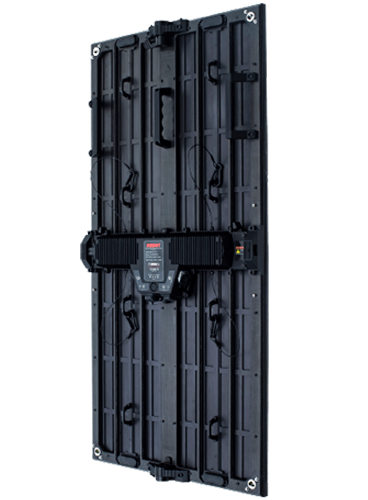
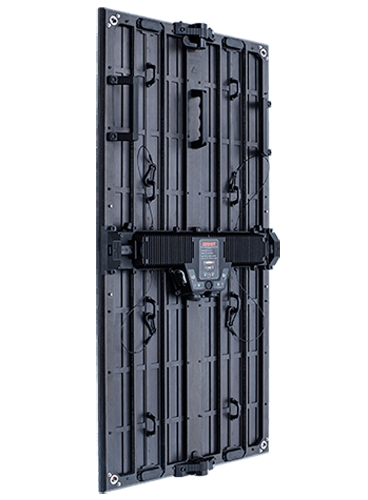
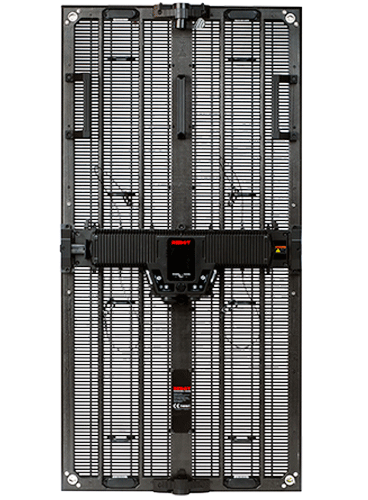
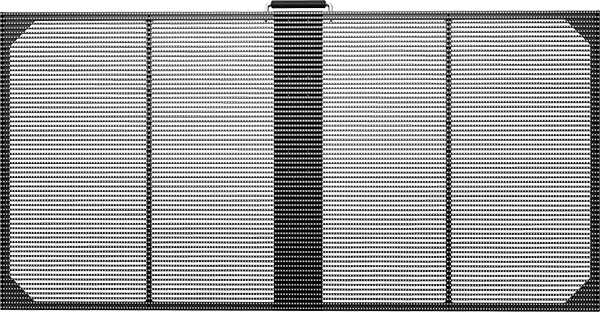
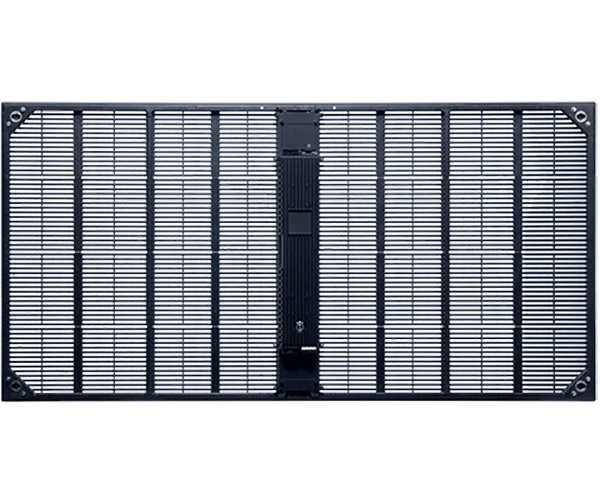
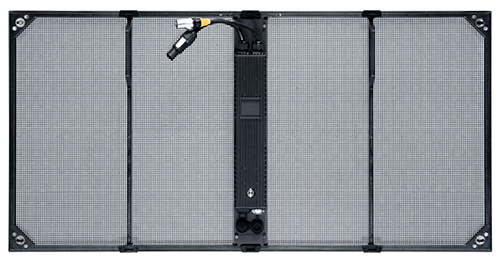
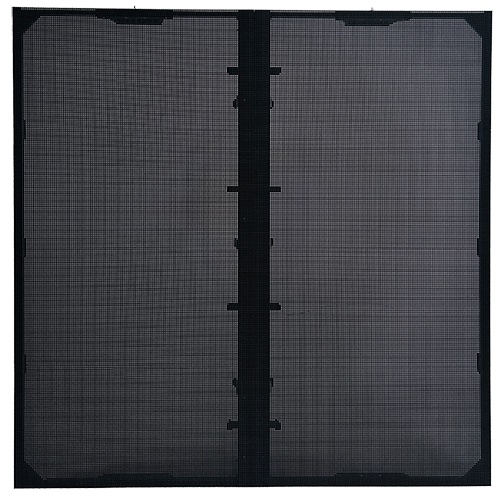
A modest 10-foot by 6-foot aluminum LED display video wall can weigh between 400–600 kilograms. FYI, carbon fiber LED displays are much lighter than the conventional aluminum or magnesium ally LED displays. For instance, the 1000*500mm Redot RC-iLHolo3.9 LED cabinet only weighs 3.7kg. For traditional LED displays, larger indoor concert walls can exceed several tons. When you add cables, mounting hardware and processors, the total suspended load weighs more.
Manual counterweight fly systems require careful balancing of weights against the load. If the LED wall weight is miscalculated or if the counterweight is improperly distributed, the system can become unstable, which might lead to uncontrolled descent or catastrophic failure.
Even indoor installations experience dynamic forces: movement during load-in, vibration from nearby activities, and the physical stress of repeated rigging and de-rigging cycles. Counterweight systems are not designed to accommodate these dynamic effects safely.
In the entertainment and events industry, rigging is one of the highest-risk jobs. That is why every rigging project must be handled by trained and certified professional riggers. A written rigging plan should be reviewed and approved before any load is suspended overhead.
The entertainment industry operates under a strict 5:1 safety factor, codified in ANSI E1.2 (Entertainment Technology: Design, Manufacture and Use of Aluminum Trusses and Towers).
What this means in practice:
If your LED display weighs 1,000 kilograms, every piece of rigging hardware including chains, shackles, truss, motors must be rated to safely support at least 5,000 kilograms.
This 5:1 safety factor accounts for real-world variables: dynamic loads, material fatigue, installation errors, and unforeseen stresses. It is not optional! It is the minimum standard for public assembly and overhead installations.
|
Requirement |
What It Means |
|
Qualified Riggers |
Only trained, experienced, and certified personnel should perform rigging work |
|
Hardware Inspection |
All rigging hardware must be inspected before each use |
|
Written Rigging Plan |
A documented plan must be reviewed and approved |
|
Secondary Safety |
Backup attachments prevent catastrophic failure if primary hardware fails |
|
Clear Zones |
Keep the area under suspended loads clear of unauthorized personnel |
|
Engineering Review |
For installations subject to structural codes or public safety, professional engineering review is required |
Redot Visual is an LED display screen manufacturer that specializes in producing ultra-lightweight carbon fiber LED displays. One of the primary reasons we use carbon fiber material in the LED display industry is to improve on-site installation safety.
Carbon fiber cabinets are approximately 30% to 64% lighter than traditional die-cast aluminum cabinets in the same format. A lighter load means less stress on rigging hardware, truss structures, and venue building points.
Working at height with heavy panels increases the risk of accidents. Lighter displays place less physical strain on installation crews, helping reduce risks during rigging and dismantling.
The lighter and thinner cabinet design reduces the load on supported buildings and trusses, making installations inherently safer.
Carbon fiber composites resist “creep”- the gradual deformation that occurs in aluminum over hundreds of rigging cycles. Carbon fiber maintains cabinet flatness and structural integrity across extensive touring schedules.
While Redot manufactures lightweight sheet-formed LED displays, we emphasize this important message:
"Never become careless about rigging safety just because you are using lightweight LED displays."
A lighter display is safer. It’s true, but it is not risk-free. Rigging is still rigging. The 5:1 safety factor still applies. Professional riggers are still required. Safety protocols must still be followed without exception.
When rigging an LED video wall indoors, always choose the safest rigging method available. For the vast majority of indoor venues, that means:
Motorized hoists with certified truss structures: Providing precise, controlled lifting and lowering
Proper load distribution: Using multiple pick points to spread weight evenly
Secondary safeties: Backup attachments on every critical point
Engineered approval: For any installation that is not strictly standard
Never take a "let us try it and see" approach. If you are unsure about the safety of a rigging method, stop. Consult a certified rigger. Get an engineering review. The cost of doing it right is always less than the cost of a failure.
The industry is moving toward safer, lighter, and more durable LED display solutions. Carbon fiber technology is at the forefront of this movement. As more venues and rental companies adopt lightweight carbon fiber LED displays, we can expect:
Fewer rigging-related accidents;
Lower insurance and liability costs;
Faster, more efficient installations;
Greater creative flexibility in venue design.
Redot Visual is proud to be part of this future. Our carbon fiber LED displays combine high safety margins with exceptional image quality, giving venues, rental companies, and technicians the confidence to create spectacular visual experiences without compromising safety