Maintenance Access Matters for LED Displays
LED displays are now used in more and more applications including corporate conference rooms, control centers, stadiums, stage productions. As these LED video screens operate day after day, routine maintenance and occasional LED screen repair become inevitable.
When maintenance is needed, the access method makes a huge difference in efficiency, cost, and downtime. LED displays are generally maintained in two ways:
Front maintenance: LED Technicians access the modular LED display panels from the front of the cabinet.
Rear maintenance: LED Technicians access the LED panels from the back of the cabinet.
Understanding the difference of different maintenance methods is critical when specifying a LED display video wall for your project. The inappropriate choice can lead to wasted labor, extended downtime, and unnecessary complications.
Front Maintenance LED Display – Popular and Efficient
A front maintenance LED display is designed so that all maintenance and inspection can be performed from the front face of the cabinet. This is particularly valuable in installations where the back of the screen is inaccessible such as wall-mounted fixed installation LED displays in conference rooms or control centers.
There are three common front-maintenance mechanisms:
1. Locking Mechanism LED Modules
In this design, LED modules connect to the structural cabinet with a special locking mechanism. A very small opening on the front of every LED display module allows a simple key to unlock the module, which can then be removed smoothly.
2. Magnetic LED Modules
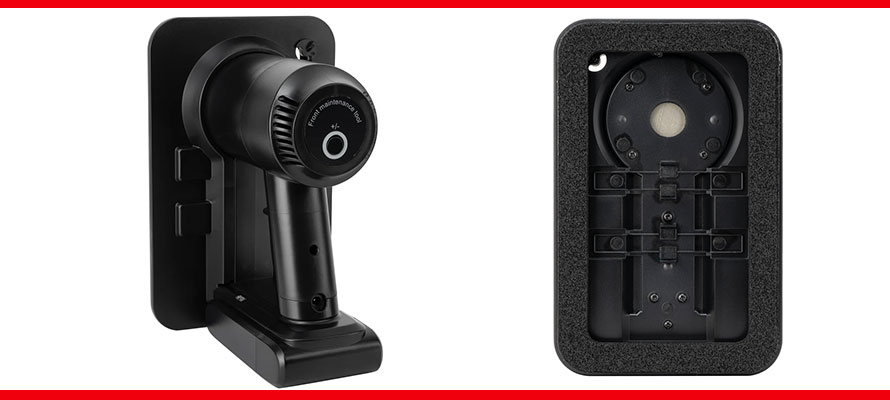
In this way, the LED modules are held in place by magnetic components. When removal is needed, a specialized vacuum tool lifts the module off the LED cabinets. This method is extremely convenient and efficient.
By the way, vacuum tool for the front maintenance job is the safest way. Do remember to use the proper sizes vacuum tool for the module and they come right off no damage to anything.
3. Front-Screw LED Modules
In this configuration, LED modules are secured to the frame with small screws accessible from the front. This approach is very secure and reliable, though slightly more time-consuming than magnetic or lock-based systems.
Advantages of Front Maintenance
Slimmer, lighter cabinets: No need for rear clearance space;
Faster module removal: Especially with magnetic and lock mechanisms;
Ideal for wall-mounted fixed installations: Saving space and maintenance time.
Typical Applications of Front maintenance LED displays:
Conference room displays,
Security monitoring screens,
Control and command center displays,
Indoor fine-pitch LED displays...
Rear Maintenance LED Display – When Back Access Is Necessary
Rear maintenance means technicians access the LED display modules from the back of the cabinet. For large outdoor LED displays, a dedicated maintenance walkway or access corridor must be designed so that technicians can reach the rear of the LED wall screen.
Typical Applications of Rear Maintenance LED Displays:
Large outdoor building facades,
Rooftop LED displays,
Pillar-mounted screens...
For these large-scale installations, rear access often provides more working space and easier handling of large modules. However, it requires additional structural planning and space behind the screen.
Full Service Access LED Displays
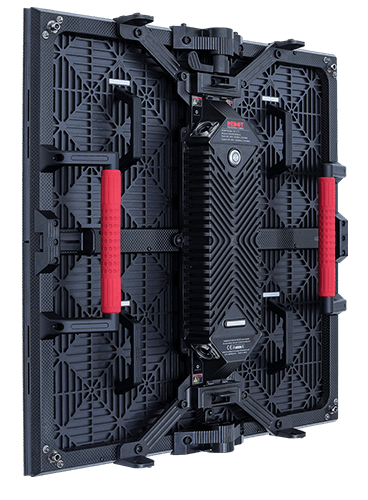
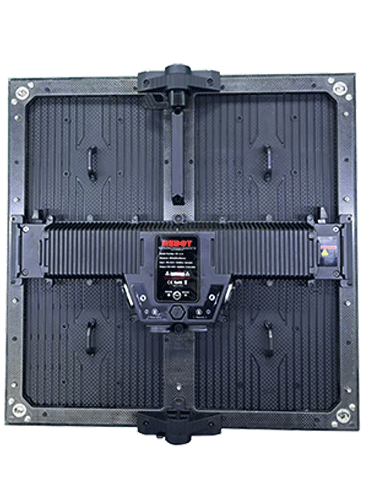
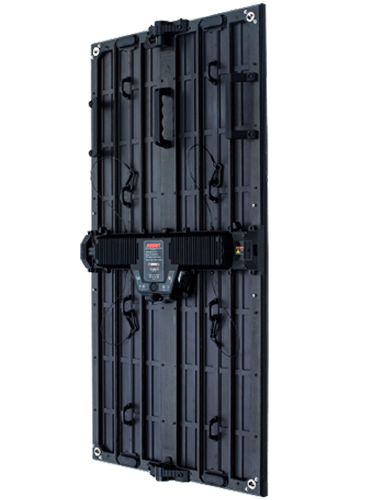
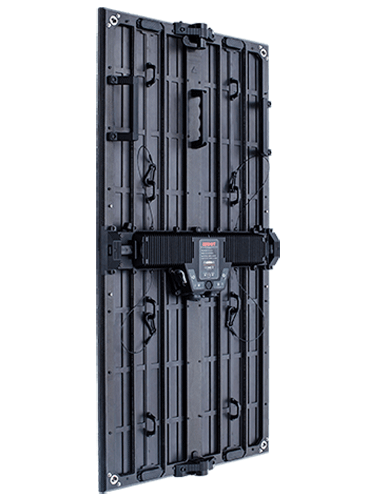
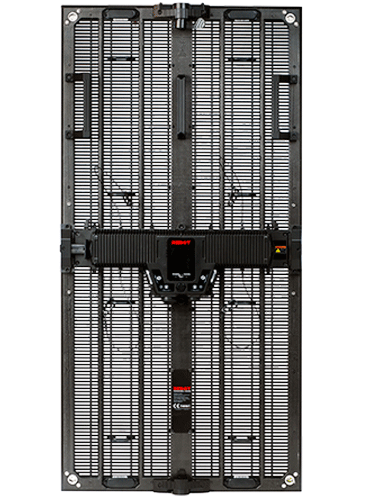
Today, many popular LED cabinets are designed for both front and rear maintenance. This dual-access capability gives technicians maximum flexibility. It means that the LED technicians can choose the most convenient access point depending on the installation and the specific task.
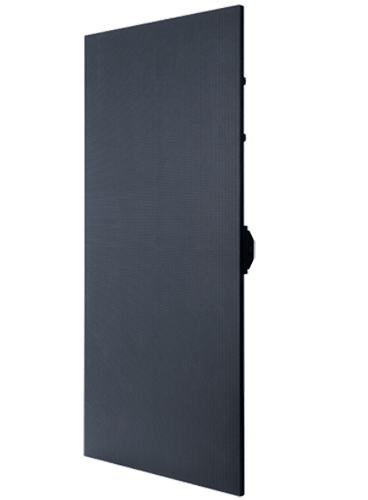
Redot Visual has adopted full service access across its entire LED display lineup. Every Redot LED video screen, whether used for rental, fixed installation, or any other application, supports both front and rear maintenance.
This shows the possibility of:
Faster repairs: Technicians can work from whichever side is accessible
Reduced downtime: No need to dismantle the entire screen for minor issues
Greater flexibility: The same display works in wall-mounted, flown, or ground-stacked configurations
For rental companies, event producers, and system integrators, full service access is a significant operational advantage. It simplifies maintenance planning, reduces labor costs, and extends the usable life of the display.
|
Redot series
|
Model
|
Service access
|
Application
|
Indoor fine pitch
|
RC-i1.5
|
front and rear
|
Rental, fixed installation
|
|
Indoor
|
RC-i2.6, RC-i3.9, RC-iL2.6, RC-iL3.9
|
front and rear
|
Rental, fixed installation
|
|
Outdoor
|
RC-oL3.9, RC-M6.9
|
front and rear
|
Rental
|
|
Transparent
|
RC-iT3.9, RC-oT3.9
|
front and rear
|
Rental
|
|
iHolo
|
RC-ilHolo3.9, RC-iHolo3.9XL
|
front and rear
|
Rental, fixed installation
|
|
Touring system
|
RC Touring System, RC Integrated Touring System
|
front and rear
|
Touring
|
What to Ask Before Buying LED Displays
If you are planning to purchase a batch of LED displays, you’re supposed to ask the manufacturer or supplier some questions on maintenance access serviceability:
What is the maintenance access method?
How are the modules removed?
Are spare modules readily available?
What is the recommended maintenance schedule?
Knowing these details upfront will help you plan for efficient LED screen repair and avoid unpleasant surprises during operation.
Redot Full Service Access LED Displays for Every Application
At Redot Visual, we design our modular LED display panels with full front and rear maintenance access as standard. Whether you need a lightweight carbon fiber rental display for touring or a permanent indoor installation, we have the suitable LED display products for your projects.
Contact Redot Visual and learn more about our full service access LED displays and how they can simplify maintenance for your next project.
 2026-09-18